D. Asymmetric Information and Adverse selection.
What is asymmetric information?
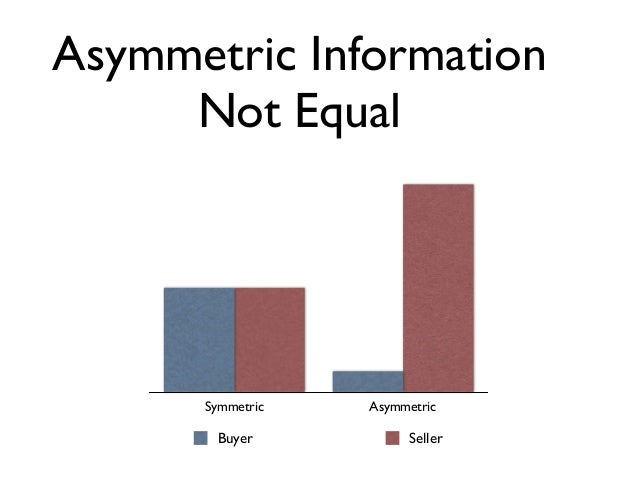
A situation in which one party in a transaction has more or superior information compared to another. Potentially, this could be a harmful situation because one party can take advantage of the other party's lack of knowledge.
Asymmetric information can be further divided into moral hazards and adverse selection.
What is adverse selection?
According to the Economic Times, adverse selection is defined as 'a phenomenon wherein the insurer is confronted with the probability of loss due to risk not factored in at the time of sale. This occurs in the event of an asymmetrical flow of information between the insurer and the insured.’
Adverse selection occurs when the insured deliberately hides certain pertinent information from the insurer. The information may be of critical nature as these help in ascertaining the risk profile of the insured and accordingly help in determining the correct premiums. However, non disclosure of the information which impacts the life of the insured can lead to faulty determination of premiums and may lead to loss of the insurance company as the insurer will find it difficult to do a prudent asset liability management owing to payment of more claims compared to the receipt of premiums.
How does adverse selection contribute to market failure?
When an insurance provider offers a policy, it must structure its contracts to compensate for high-risk individuals, which will create an extra disincentive for low-risk individuals to buy insurance they might need.
This implies that low-risk individuals have a hard time finding fair prices for their insurance needs. Hence, low-risk consumers drop out of the insurance market because they are unwilling to pay Rs. 300,000 for a policy they only value at Rs. 75,000, for instance – the market experiences a deadweight loss in efficiency because suppliers and consumers are no longer coordinating optimally. This deadweight loss and and an entire sector of healthy low-risk consumers missing out from insurance policies leads to market failure.
How can it be reduced?

To deal with the problem of adverse selection, the government can intervene. Intervention can be in the form of direct provision of health care services (fuelled by tax revenues). This ensures that everyone in the country gets health care insurance indiscriminately. Alternatively the government can provide insurance only to vulnerable groups or they can provide social health insurance. Recently, USA tried to implement ObamaCare.
One of the major aims of Obamacare was to help these individuals to get health insurance
through expanding Medicaid eligibility and offering cost assistance through health insurance marketplaces. By the end of open enrollment in 2014, less than 13% of Americans were uninsured. The issue with governmental provisions is the opportunity cost involved. Providing cheap or free health care to all or most citizens is a huge burden on government and makes it hard for the government to control costs.
Citations:
1. "Asymmetric Information Definition | Investopedia." Investopedia. N.p., 19 Nov. 2003. Web. 07 Jan. 2016. <http://www.investopedia.com/terms/a/asymmetricinformation.asp?layout=orig>.
2. Pettinger, Tjvan. "Adverse Selection Explained." Economics Help. N.p., 28 Nov. 2014. Web. 07 Jan. 2016. <http://www.economicshelp.org/blog/glossary/adverse-selection/>.
3. Spaulding, William C. "Information Asymmetry: Adverse Selection and Moral Hazard." This Matter. N.p., n.d. Web. 7 Jan. 2016. <http://thismatter.com/money/banking/information-asymmetry.htm>.
4. "What Is ObamaCare | What Is the Affordable Care Act?" Obamacare Facts. N.p., n.d. Web. 07 Jan. 2016. <http://obamacarefacts.com/whatis-obamacare/>.
-Tarini Gandhi
11 HL1
